

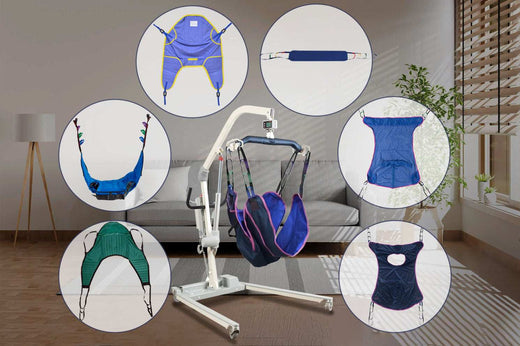
Patient lift slings are essential when it comes to providing the best care for individuals with mobility challenges. These versatile devices offer safety, comfort, and dignity to patients while supporting caregivers in handling transfers efficiently. But did you know there are several types of patient lift slings? Each one is designed with specific uses in mind, tailored to the unique needs of the patient. In this guide, we’ll explore the different types of patient lift slings and help you determine which one is the best fit for various care scenarios.
Understanding Patient Lift Slings
Patient lift slings are specialized fabric supports designed to assist in safely transferring individuals from one position to another, such as from a bed to a wheelchair. They are used with patient lifts and provide crucial support during transfers. Whether in a hospital, nursing home, or home care setting, slings make life easier for both the caregiver and the patient. But before we dive into the different types, let’s first understand what factors go into choosing the right sling.
Why Are Patient Lift Slings Important?
Patient lift slings are not just about moving someone from point A to point B. They ensure:
- Safety: Reduces the risk of injury to both patients and caregivers.
- Comfort: Properly designed slings provide comfort, reducing pressure points.
- Dignity: Maintains the dignity of the patient during sensitive transfers.
- Efficiency: Allows caregivers to assist patients with less strain and stress.
Types of Patient Lift Slings
1. Full-Body Slings
A full-body sling, as the name suggests, offers complete support from the patient's head to their feet. It’s often used for patients who have very limited mobility or cannot bear their weight. These slings cradle the entire body, providing maximum support.
When to Use a Full-Body Sling
- Patients with total immobility
- People recovering from major surgeries
- Individuals with severe disabilities
2. U-Slings (Universal Slings)
U-slings are some of the most versatile options available. Shaped like a "U," these slings provide robust support for the back, legs, and hips, making them ideal for transfers from beds, chairs, or toilets. What’s great about U-slings is their open design, which means they can be easily applied and removed without needing to fully lift the patient.
When to Use a U-Sling
- General patient transfers
- Individuals with moderate mobility issues
- Situations requiring easy application and removal
3. Commode Slings
Commode (or toileting) slings are designed specifically for patient transfers to and from the toilet. They have a specialized design that allows for easier access to clothing removal, while still providing support around the back and legs. These slings prioritize dignity and comfort, making bathroom visits less stressful for both the caregiver and the patient.
When to Use a Toileting Sling
- Patients who need assistance with toileting
- Individuals with limited mobility who can partially assist in transfers
4. Divided Leg Slings
Divided leg slings are highly versatile and are often used for general patient transfers. These slings feature separate sections for each leg, making it easier to apply and position the sling under the patient. The separated leg design provides better support and is particularly useful for patients who may need individualized leg positioning during transfers.
When to Use a Divided Leg Sling
- Patients requiring customized leg support
- Situations where positioning flexibility is needed
- Individuals with moderate to severe mobility issues
5. Stand Assist Slings
Stand-assist slings are perfect for patients who still have some ability to bear weight but need assistance moving from a seated to a standing position. These slings wrap around the lower back and under the arms, providing support to help the patient stand and move with the aid of a stand-assist lift.
When to Use a Stand Assist Sling
- Patients who can bear some of their weight
- Individuals in rehabilitation programs
- Situations where partial support is needed for standing and transferring
6. Sit-to-Stand Slings
Sit-to-stand slings are specifically designed for patients who need assistance standing but can still bear some of their weight. These slings offer secure support under the arms and around the lower back, making them ideal for use with sit-to-stand lifts. They provide partial support and are often used in rehabilitation or therapy settings where the patient is working to regain strength.
When to Use a Sit-to-Stand Sling
- Patients who can stand with support
- Individuals in the process of regaining mobility
- Care settings where patients are frequently transferred between sitting and standing positions
7. Clip Slings
Clip slings are designed to be compatible with certain types of patient lifts that use clip attachments rather than loops. They are similar to other sling types in terms of support but come with clips at the ends that attach securely to the lift, offering a fast and efficient setup for transfers.
When to Use a Clip Sling
- For lifts with clip attachments
- Situations requiring quick sling application and removal
- Patients needing firm support during transfers
8. Standard Slings
Standard slings are the most basic type of patient lift slings, designed for general use. They provide back and leg support, making them suitable for a variety of transfers. While not as specialized as other slings, they are versatile and can be used in many care scenarios.
When to Use a Standard Sling
- General patient transfers
- Individuals with moderate mobility limitations
- Everyday use in home or hospital settings
9. Buttocks Straps
Buttock straps are an accessory designed for sit-to-stand lifts. These straps provide additional support for the patient’s lower body, particularly around the buttocks and hips, during standing transfers. They help distribute the patient’s weight more evenly and make standing transfers more comfortable and secure.
When to Use Buttock Straps
- For patients needing extra support during sit-to-stand transfers
- Individuals with limited strength in the lower body
- Situations where additional security is needed during the transfer process
Key Features to Look for in a Patient Lift Sling
1. Weight Capacity
It’s essential to choose a sling that can safely support the patient’s weight. Always check the weight capacity before purchasing or using a sling.
2. Material
Slings come in various materials, such as padded, mesh, or unpadded fabric. The right material depends on the patient’s needs and the type of transfer. For example, mesh slings are great for bathing, while padded slings provide extra comfort.
3. Head Support
For patients who cannot support their heads, slings with built-in headrests are necessary. This feature is especially important for full-body and hammock slings.
4. Ease of Cleaning
Patient lift slings can get dirty quickly, especially during toileting transfers. Look for slings that are easy to clean and dry quickly to maintain hygiene.
How to Properly Use a Patient Lift Sling
1. Follow the Manufacturer’s Guidelines
Each sling comes with its own set of instructions. Always follow the manufacturer’s recommendations regarding weight capacity, usage, and cleaning.
2. Ensure Proper Sling Positioning
Incorrect sling placement can lead to discomfort or even injury. Take the time to ensure that the sling is positioned correctly under the patient.
3. Regularly Inspect the Sling
Slings wear out over time. Regularly inspect the fabric for tears, fraying, or weakening. If any damage is found, replace the sling immediately.
Benefits of Using Patient Lift Slings
- Reduces Strain on Caregivers: Using a patient lift sling minimizes the physical effort required by caregivers, preventing injuries like back strain.
- Improves Patient Safety: Slings significantly lower the risk of accidents during transfers.
- Enhances Patient Comfort: Properly fitted slings make transfers smoother and more comfortable for the patient.
- Supports Dignity: Ensures that patients are handled with care, preserving their dignity during movements.
Conclusion
Patient lift slings play a crucial role in ensuring the safety, comfort, and dignity of individuals with mobility challenges. From full-body slings to amputee-specific designs, there’s a sling for every need. Choosing the right one involves considering the patient’s unique situation, including their mobility, weight, and transfer requirements. By using the right sling and following proper procedures, caregivers can significantly enhance the quality of care they provide while also protecting themselves from injury.
FAQs
- What is the purpose of a full-body sling? Full-body slings are designed to support patients who have little to no mobility, providing head-to-foot support during transfers.
- How do U-slings differ from full-body slings? U-slings provide support primarily around the back, legs, and hips, allowing for easier application and removal.
- Can I use a toileting sling for bathing? No, toileting slings are designed specifically for bathroom transfers and may not offer the necessary support for bathing.
- Do I Need Special Training to Use a Patient Lift Sling? While using a patient lift sling isn’t difficult, it’s essential to receive some basic training to ensure safe and effective transfers. Always consult with a healthcare professional if you’re unsure.
- How do I know when to replace a sling? Regularly inspect your sling for wear and tear, and replace it every 1 to 2 years or immediately if you notice damage.


