

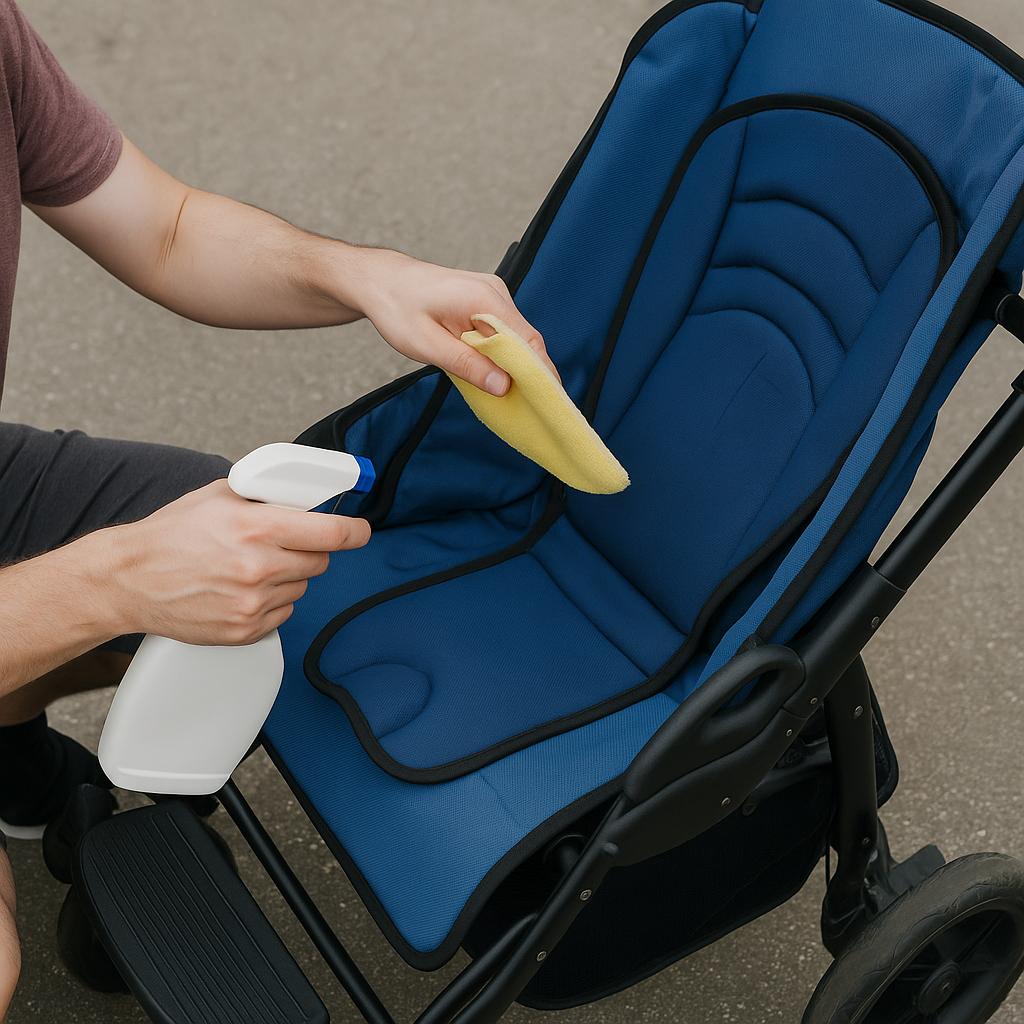
Special needs strollers help children with different types of disabilities. These mobility tools offer much more than just basic transportation, as they are individually designed to support your child’s posture. They can also accommodate medical equipment, providing safety and comfort to children with multiple medical needs.
A special needs stroller is more advanced than a regular baby stroller, as it has more specialized features and settings to match a wide range of physical and medical needs. As with all tools, however, you need good maintenance and care to keep it in top shape and maintain your child’s quality of life, independence, and safety.
This article includes:
- Basic maintenance and cleaning of a special needs stroller to guarantee long-term use and safety.
- Instructions for first-time use and adjustment, including daily checks and deep-cleaning processes unique to adaptive mobility devices.
- Seasonal tips and info on maintenance and storage techniques to protect your stroller and to sustain its therapeutic qualities.
- Troubleshooting, replacement tracking concepts, and expert advice on when to repair or replace your special needs stroller.
Setting Up for Safe Use from Day One
From day one, the correct and proper setup lays the groundwork for a lifetime of reliability.
Before taking the stroller outside for the first time, select an indoor area that is clean and well-lit to unfold and check the gear. Have a full walk-through of all parts to understand how they function. Give yourself time and space without distractions or interruptions to figure out how the stroller fulfills your child’s needs.
Check all features of the stroller, including the five-point harness system, its adjustable postural supports, tilt and recline features, and medical equipment mounts. Each of these adjustments supports the posture, circulation, and safety of the child. Document the steps as you set it up to have a visual aid for other caregivers or when you reassemble it after travel.
Unboxing and Owner’s Manual Tips
When you first open your stroller, take a moment or two to take everything out and create an inventory list. Aside from the major components like the frame and seat, note any specialty bolts, brackets, headrests, and adjustment tools. These are specific to your model and difficult or expensive to replace if lost.
It is a good idea to register the stroller in advance for warranty coverage. Certain strollers with special requirements offer more extended warranties, but generally, the manufacturer requires this registration within a specific timeframe.
Save a digital record of the serial number, model, purchase date, and distributor's or manufacturer's contact information. Mark or tab the master key pages of the owner's manual, especially those that outline weight limits, growth allowances, and maintenance schedules.
First-Time Adjustments: Comfort and Security
Make adjustments for size, comfort, and safety. Start with the harness system, which often includes padded chest and shoulder straps, a pelvic strap, and crotch support. Each of these straps must be secure but comfortable. The fit should support without slouching or sliding, especially for individuals with weakened core strength or control of movement.
Set the stroller’s footrests in the correct position. They should be set to hold the feet at a 90-degree angle at the knee and ankle. Misalignment can cause bad posture, aches, or pressure sores. Adjustable footplates are common for special needs strollers and have to be set correctly for each individual.
Inspect the brakes. They have special locking mechanisms that add security on slopes or uneven ground. Some models come with a “deadman” brake, which engages automatically if the user loses their grip.
Learn how to fold and unfold the stroller to check that the latch system is working smoothly.
Quick Routine After Each Use
To keep your special needs stroller in excellent condition, set a quick post-use inspection routine. In five minutes, you should be able to check for any issues.
Check harness buckles for fastening and wear. Look for wheel or axle obstructions, such as grass, rocks, or even twigs, that can make the brakes malfunction. Also, check that the brakes engage and release quickly.
After outdoor use, clean any high-contact surfaces like the handle, seat top, and harness with mild, non-abrasive cleaning agents that are safe for children. If your stroller uses any feeding tubes or other medical devices, sanitize these as well with the appropriate disinfectants.
Deep Cleaning Without Compromising the Materials
Over time and with constant use, dust and grime will start to accumulate in invisible gaps. Deep clean on a regular basis to keep your stroller in good condition and prolong the lifespan of its medical-grade components.
Remove any washable fabric parts, including covers for seats and harness pads, and follow the manufacturer's cleaning instructions. Most are machine washable but must be air-dried to prevent shrinkage and warping. Check the padding before reassembly and pat it for shape.
Wipe the frame clean with mild soap and warm water. Avoid bleach or harsh chemicals, as they may damage antimicrobial finishes or painted surfaces. Clean joints, equipment mounts, and corners where bodily secretions or adhesives collect.
Wheels, Tires, and Bearings
For special needs strollers, the wheel systems will experience much heavier and more frequent usage than with standard models. This extra load and wear will likely require you to carry out more regular maintenance and order more spare parts.
Check the wheels monthly. Remove them to clean the space surrounding the bearings, which tends to collect dirt and moisture, especially after outdoor use. Check for any signs of rust, grinding, or wear, which can signal a problem with alignment or pressure distribution.
Also, check tire pressure, especially for strollers that have pneumatic tires. Low pressure will add more rolling resistance and make the stroller harder to push. Special treads can also wear out unevenly. If you notice any of these signs, you may need wheel realignment or replacement.
Fasteners, Hinges, and Moving Joints
Adaptive strollers have more adjustable points than regular strollers, which means they need extra attention and care. You should inspect all hinges, levers, and joints monthly. Lubricate with a recommended lubricant, never household oils.
If any screws or fasteners have come loose, they can make the frame flexible and unsafe. Check torque levels and re-tighten parts to factory specifications. Do not over-tighten as it can damage the screws or crack other components.
Keep a checklist to track areas of concern over time. If a specific fastener continues to loosen frequently, it may be a sign of stress in that location that needs professional inspection.
Seating, Harnesses, and Support Systems
Harnesses and postural support systems are the most important features of your special needs stroller.
Check webbing monthly for frays, loose stitching, or stretching. Repair any issue immediately, because a faulty harness system can cause injury.
The lateral stabilizers, trunk support units, headrests, and cushioning systems will also fail with time. Even if the fabric's cover looks OK, the foam or gel within can still degrade. Check these parts if the user feels less supported or their body position suddenly changes.
Storage That Extends Lifespan
The location and the way you store your special needs stroller can make a huge difference in how long it will last. Preferably, you should be storing it indoors in a dry and cool area. Any kind of moisture or temperature fluctuations can break down padding or medical-grade materials and make frame components soft.
Do not store it folded long-term either. Store the stroller upright in its natural position when not in use to help reduce pressure on joints and mechanical parts.
If possible, cover it with a permeable cover to shield it from sunlight and dust. UV light will degrade antimicrobial coatings and cause fabric fade or brittleness, even through windows or indirect sunlight.
Seasonal Maintenance
You should adjust your maintenance schedule to reflect seasonal changes, both in terms of use and weather conditions. For instance, during spring, clean the entire stroller in-depth after winter storage, lubricate all pivoting parts, and replace worn components like wheels or brakes.
In the summer, test the sunshades, cooling accessories, and ventilation items to verify they provide comfort in warm weather. Also, clean off any dust, pollen, or sunscreen residue.
Fall is when you should start preparing for indoor use and possible storage. This means you should check for mold or moisture damage and clean thoroughly.
During the winter, keep your stroller in a dry area. For motorized ones, remove the batteries and store them safely.
Track Replacements and Plan Ahead
Many of the stroller's parts have finite lifespans. Keep records of replacements of harnesses, bearings, pads, and other parts, as well as their respective dates and part numbers.
Where possible, keep spares of high-wear parts in stock. Stroller parts for special needs are model-specific and will not be readily available. Plan ahead to reduce downtime and avoid unexpected emergencies.
Troubleshooting and Upgrades
If you're experiencing issues like sticky adjustment levers, unresponsive brakes, or seat alignment problems, address them promptly before they escalate. Clean and lubricate as necessary and keep records of your troubleshooting to understand how often specific parts require maintenance or repairs.
Upgrade whenever the user's needs change or when newer technology offers better support. Likewise, when the maintenance cost becomes greater than the advantages of continued use, it may be time to invest in a newer model.
When to Seek Professional Service
While you should get your stroller serviced professionally once a year, do so immediately if you have any accidents, bad falls, or excessive wear. An authorized technician with expertise in your model can fix any damage to the frame, brakes, or seating system.
Ultimately, a well-maintained special needs stroller will offer comfort, safety, and mobility for children with special needs. Regular maintenance checks on your special needs stroller will extend its lifespan. Follow the tips above to keep your stroller in top condition and let it serve your family reliably and safely for years!
For more information on Adaptive strollers, check out Shop Home Med’s special needs stroller collection here: https://shophomemed.com/collections/special-needs-stroller


