

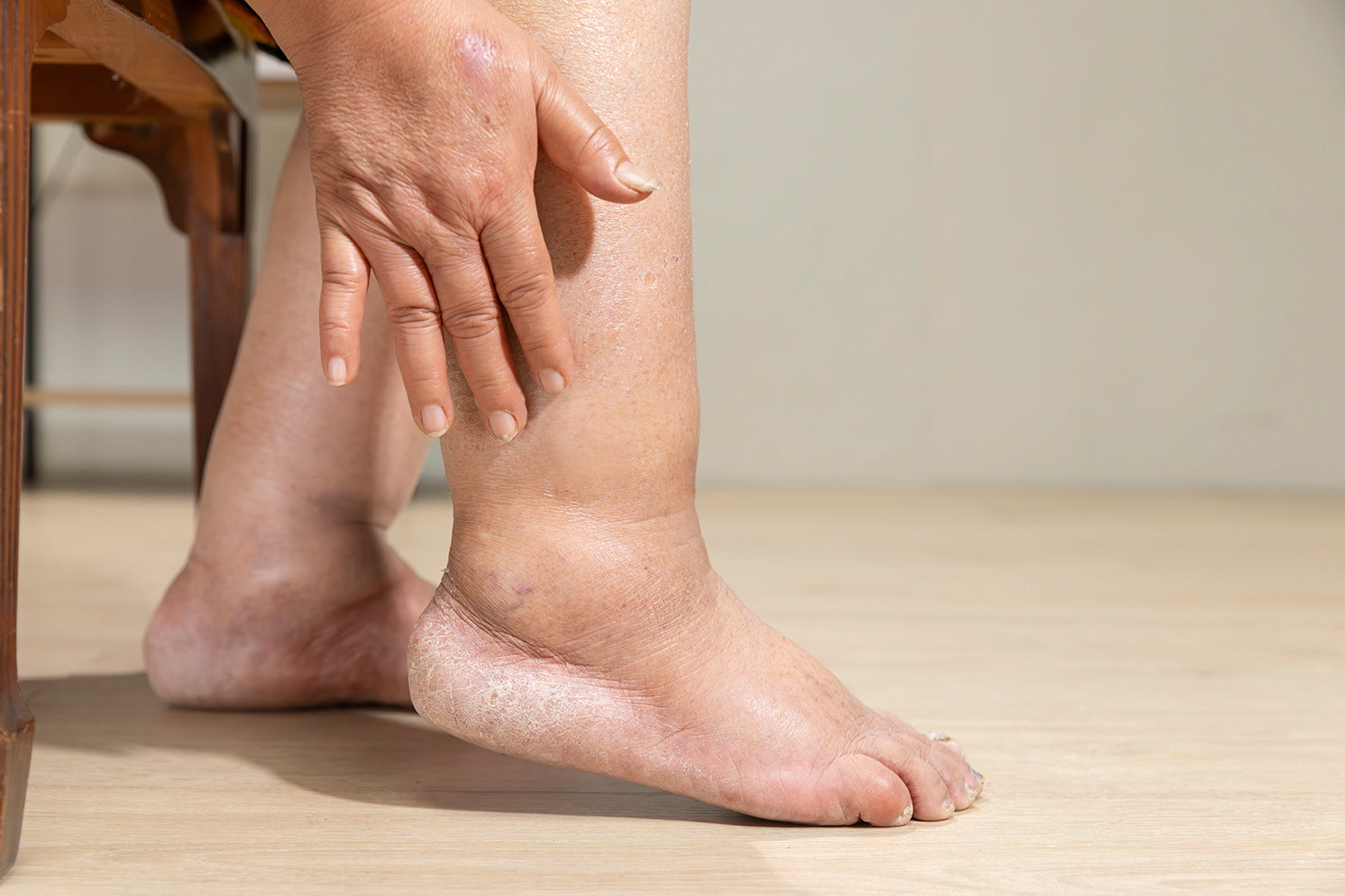
Understanding Edema and Its Impact on Mobility
Edema, a condition where fluid builds up in the body’s tissues, often causes swelling in the legs, ankles, and feet. It can be uncomfortable, painful, and make moving around a real challenge. That’s where mobility aids step in. They’re not just tools—they’re lifelines to independence, safety, and comfort.
So, how do you choose the right one? Whether you’re looking for a walker, wheelchair, or compression device, we’re diving deep into what makes the perfect mobility aid for edema patients, especially those available at Shop Home Med.
Why the Right Mobility Aid Matters
Increased Comfort and Reduced Strain
Mobility aids reduce the physical strain on swollen limbs and joints, preventing pain and further health issues.
Promotes Circulation
Tools like compression devices and leg-elevating wheelchairs encourage better blood flow, reducing swelling.
Boosts Independence
A well-chosen aid helps users stay active and engaged in daily life, maintaining a sense of control and confidence.
Top Mobility Challenges Faced by Edema Patients
Swelling-Related Discomfort
Tightness in the skin and restricted joint movement can make walking or standing hard.
Risk of Falls
Swollen legs reduce balance and stability, increasing the risk of tripping or falling.
Limited Range of Motion
Edema can limit how far someone can bend or move, especially in the knees and ankles.
Types of Mobility Aids for Edema Patients
1. Walkers and Rollators
Standard Walkers
- Best for severe stability issues.
- Lightweight, no wheels—the user lifts the walker.
- Simple and sturdy, ideal for indoor use.
Rollators (4-Wheel Walkers)
-
Equipped with wheels, hand brakes, and a seat.
-
Great for outdoor walks or long periods of standing.
- Comes with storage baskets for personal items.
Best Pick from Shop Home Med: 4-Wheel Rollator with Seat
Not sure which one to choose? See our guide here.
2. Wheelchairs
Manual Wheelchairs
-
Requires upper body strength or assistance.
- Lightweight models are easy to fold and store.
Electric Wheelchairs
-
Powered by batteries, controlled with a joystick.
- Ideal for users with very limited mobility.
Shop Home Med’s Pick: Manual K3 Wheelchair
3. Compression Devices
Compression Stockings
-
Worn daily to reduce swelling.
- Improves circulation, especially for chronic edema.
Compression Boots
-
Often used post-surgery or in severe cases.
- Offers intermittent pressure to stimulate blood flow.
Key Factors to Consider Before Buying
Assess Patient’s Physical Condition
-
Can they stand or walk unaided?
- Are both legs affected?
Check for Weight Capacity
-
Some walkers and wheelchairs are built for bariatric support.
- Ensure the product supports the user's weight comfortably.
Adjustability & Comfort
- Look for adjustable height, padded grips, and soft seating.
Ease of Use
-
Is it easy to fold, transport, or clean?
- How simple is it to operate daily?
Best Mobility Aids from Shop Home Med
1. Deluxe Folding Walker
-
Ultra-light, foldable for storage.
- Height adjustable with slip-resistant grips.
2. 4-Wheel Rollator with Seat
-
Comfortable seat with backrest.
- Storage pouch included.
3. Lightweight Manual Wheelchair
-
Easy to push and fold.
- Durable, strong frame.
4. Electric Power Wheelchair
-
Long battery life and compact size.
- Suitable for both indoor and outdoor use.
5. Compression Therapy System
-
Includes leg sleeves and a digital pump.
- Targets severe swelling with customizable pressure.
How to Maximize the Benefits of Mobility Aids
Get Professional Fitting
A poorly fitted aid can cause more harm than good. A quick consultation ensures the perfect fit.
Use in Combination with Therapy
Pair mobility aids with physiotherapy for better results.
Maintain Equipment Regularly
Clean and inspect your aids to keep them safe and long-lasting.
Tips for Caregivers and Family Members
-
Help with daily use and maintenance.
-
Encourage regular use for consistent benefits.
- Monitor any changes in swelling or discomfort.
Common Mistakes to Avoid
-
Choosing Based on Price Alone: Go for quality and fit over affordability.
-
Skipping the Sizing Guide: Always check weight and height recommendations.
- Ignoring User Feedback: Read reviews before purchasing from any online shop.
Conclusion
Choosing the right mobility aid is more than just picking a tool—it’s choosing freedom, safety, and comfort. For edema patients, the right aid can dramatically improve daily life, reduce swelling, and prevent complications.
Shop Home Med has an excellent lineup of walkers, rollators, wheelchairs, and compression gear tailored for people living with edema. Explore their offerings and consult with professionals to find the perfect fit.
Whether you're managing your condition or caring for a loved one, investing in the right aid makes all the difference.
Frequently Asked Questions
- What’s the difference between a walker and a rollator for edema patients? A walker must be lifted, offering more stability. A rollator rolls on wheels and includes a seat for resting—better for those who walk longer distances.
- Can I use compression boots and a mobility aid together? Yes, especially if you remain seated for long periods. Compression boots can be used while resting to enhance blood flow.
- How often should I replace my mobility aid? Depending on usage, most aids last several years. Replace if there's visible damage or discomfort during use.
- Do I need a doctor’s recommendation to buy a wheelchair? Not always, but it’s smart to consult a healthcare provider to ensure you’re getting the right one for your condition.
- Are Shop Home Med’s products covered by insurance? While Shop Home Med doesn’t take insurance, many products are covered by insurance. Check with your provider or contact Shop Home Med's customer service for more information.


