

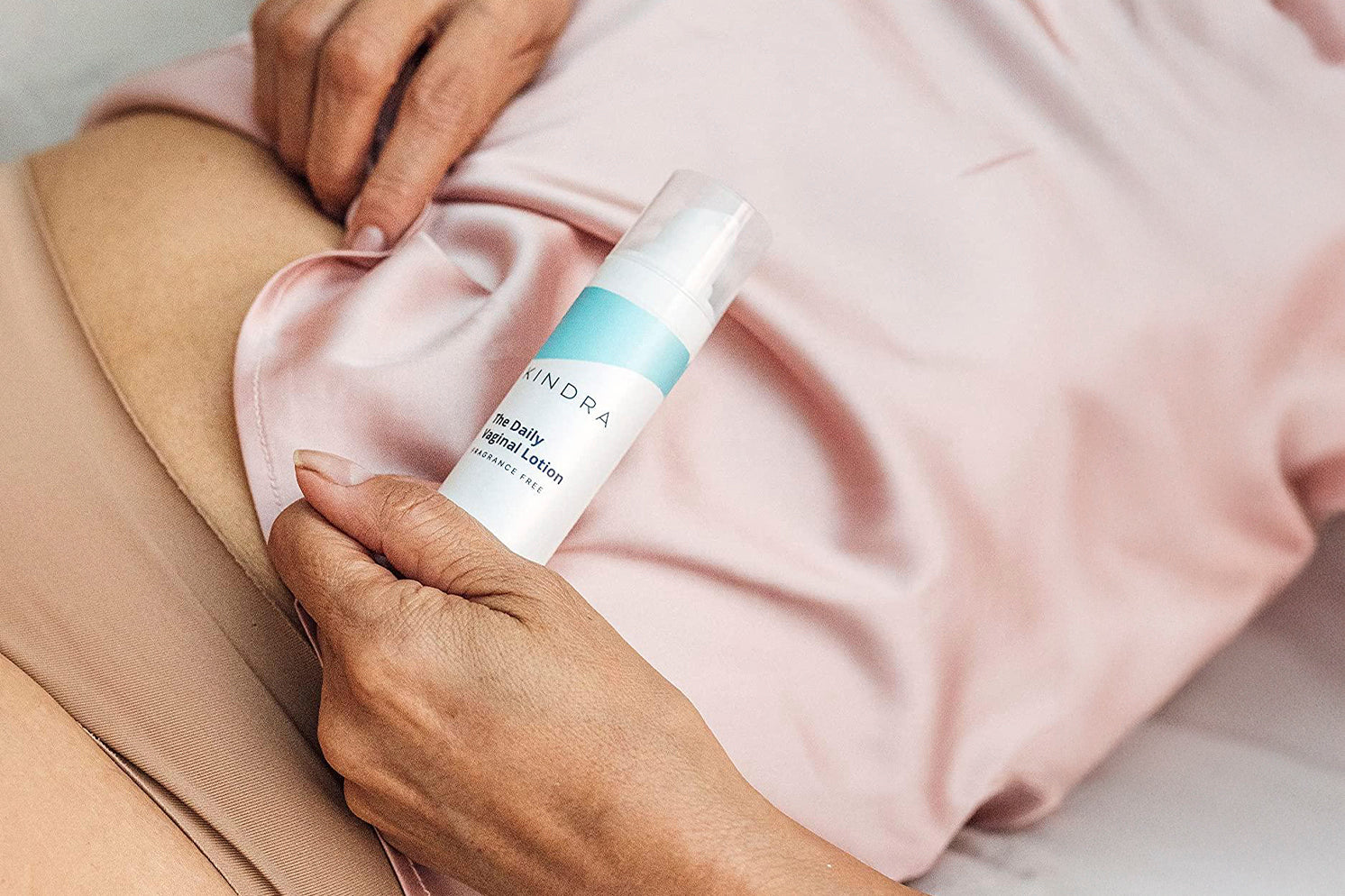
Maintaining vaginal health is essential to a woman's overall well-being. One common but often overlooked issue—vaginal dryness—can significantly increase the risk of recurrent infections. Understanding the connection between these two can help you take proactive steps toward better intimate health.
Understanding Vaginal Dryness
What Causes Vaginal Dryness?
Vaginal dryness occurs when the tissues inside the vagina are not properly lubricated. This condition is often associated with hormonal changes, medical treatments, or lifestyle factors.
Hormonal Changes and Vaginal Health
Estrogen plays a crucial role in maintaining the thickness and elasticity of vaginal tissues. A drop in estrogen levels can result in dryness, leading to discomfort and higher susceptibility to infections.
Environmental and Lifestyle Factors
External irritants like soaps, tight clothing, douching, and even stress can disturb the natural lubrication process, contributing to dryness.
How Vaginal Dryness Leads to Recurrent Infections
Microtears and Tissue Damage
Dry vaginal tissue is more prone to small tears during everyday activities or intercourse. These microtears create an open gateway for bacteria and fungi, increasing infection risks.
Disrupted Vaginal pH Balance
Healthy vaginas maintain a slightly acidic environment (pH 3.8-4.5) that prevents harmful microbes from thriving. Vaginal dryness can shift this pH, making it easier for pathogens to invade.
Weakened Vaginal Microbiome
A thriving community of good bacteria (mostly lactobacilli) usually protects the vagina. When dryness disrupts this balance, bad bacteria and yeast can overgrow, leading to recurrent infections.
Most Common Infections Linked to Vaginal Dryness
Urinary Tract Infections (UTIs)
Dryness often contributes to UTIs by allowing bacteria easier access to the urethra.
Bacterial Vaginosis (BV)
BV occurs when harmful bacteria outnumber the protective lactobacilli. Vaginal dryness weakens natural defenses, making BV more common.
Yeast Infections
Without proper moisture, yeast can flourish, leading to itching, burning, and thick discharge.
Risk Factors Amplifying Vaginal Dryness and Infection
Menopause and Aging
Lower estrogen levels during menopause are the leading cause of vaginal dryness and related infections.
Postpartum Hormonal Changes
After childbirth, especially during breastfeeding, estrogen levels drop temporarily, causing dryness.
Cancer Treatments
Radiation, chemotherapy, and hormone therapies for breast or ovarian cancers often result in vaginal dryness.
Autoimmune Disorders
Conditions like Sjögren’s syndrome reduce moisture production, affecting vaginal health.
Recognizing Symptoms Early
Signs of Vaginal Dryness
-
Itching or burning
-
Discomfort during intercourse
-
Light bleeding post-intercourse
-
Sensation of tightness
Early Warning Signs of Recurrent Infections
-
Frequent urination urges
-
Cloudy or strong-smelling urine
-
Abnormal vaginal discharge
-
Pain or burning sensations
Proven Prevention Strategies
Restoring Hydration Daily
Use non-hormonal vaginal moisturizers enriched with hyaluronic acid, aloe vera, or vitamin E for consistent hydration.
Balancing Hormones
Consult your doctor about hormone replacement therapy (HRT) if hormonal imbalance is a contributing factor.
Enhancing the Vaginal Microbiome
Incorporate probiotic-rich foods or supplements to maintain a healthy bacterial balance.
Safe Hygiene Practices
-
Avoid douching
-
Use mild, fragrance-free products
-
Wear breathable underwear
Treatment Options for Vaginal Dryness and Recurring Infections
Over-the-Counter Moisturizers
Products like Kindra’s V Relief Serum can offer immediate relief and long-term protection.
Prescription Therapies
Vaginal estrogen creams, rings, or tablets can be prescribed for significant dryness.
Probiotic Supplements
These help replenish good bacteria and are available over the counter.
Estrogen Replacement Options
Systemic or local estrogen therapies can be tailored to individual needs after a medical consultation.
Building a Vaginal Health Routine
Essential Daily Habits
-
Moisturize daily
-
Stay hydrated
-
Practice safe, gentle hygiene
-
Manage stress levels
Long-Term Wellness Tips
Routine gynecological checkups and early interventions can prevent complications and promote lifelong intimate health.
The Role of Vaginal Moisturizers
How They Work
They help maintain elasticity, reduce irritation, and protect against infections by strengthening the vaginal barrier.
Key Ingredients to Look For
-
Hyaluronic Acid
-
Vitamin E
-
Coconut Oil
-
Aloe Vera
How Often to Use Them
Daily use is recommended, especially during periods of increased dryness like menopause or postpartum recovery.
When to See a Doctor
Warning Signs Requiring Medical Help
-
Persistent dryness
-
Recurrent infections
-
Severe pain or bleeding
What to Expect at Your Appointment
Your provider may conduct a physical exam, recommend lab tests, and suggest a personalized treatment plan.
The Psychological Impact of Vaginal Health Issues
Emotional and Mental Well-Being
Vaginal dryness and recurrent infections can impact self-esteem, sexual relationships, and overall mental health.
Seeking Support
Don’t hesitate to seek therapy or support groups specializing in women's health issues.
Conclusion
Vaginal dryness isn’t just uncomfortable—it can be a gateway to recurrent infections and other intimate health issues. Understanding its causes, recognizing symptoms early, and building a daily care routine can help maintain optimal vaginal health. Empower yourself with knowledge and proactive care to live comfortably, confidently, and infection-free!
Frequently Asked Questions (FAQs)
-
Can vaginal dryness be completely cured? Dryness can often be managed effectively with moisturizers, hormone therapy, and lifestyle changes, though some underlying causes may require ongoing care.
-
How can I naturally improve vaginal lubrication? Stay hydrated, consume omega-3-rich foods, use natural lubricants, and support hormonal health with a balanced diet.
-
Can probiotics really help vaginal health? Yes, vaginal-specific probiotics can replenish beneficial bacteria and help maintain a healthy vaginal environment.
-
Is it normal to experience vaginal dryness in your 30s? Yes, factors like breastfeeding, birth control, stress, and early perimenopause can all cause dryness in younger women.
- Are vaginal moisturizers safe to use daily? Absolutely! Non-hormonal moisturizers designed for vaginal use are safe and often recommended for daily hydration.


