

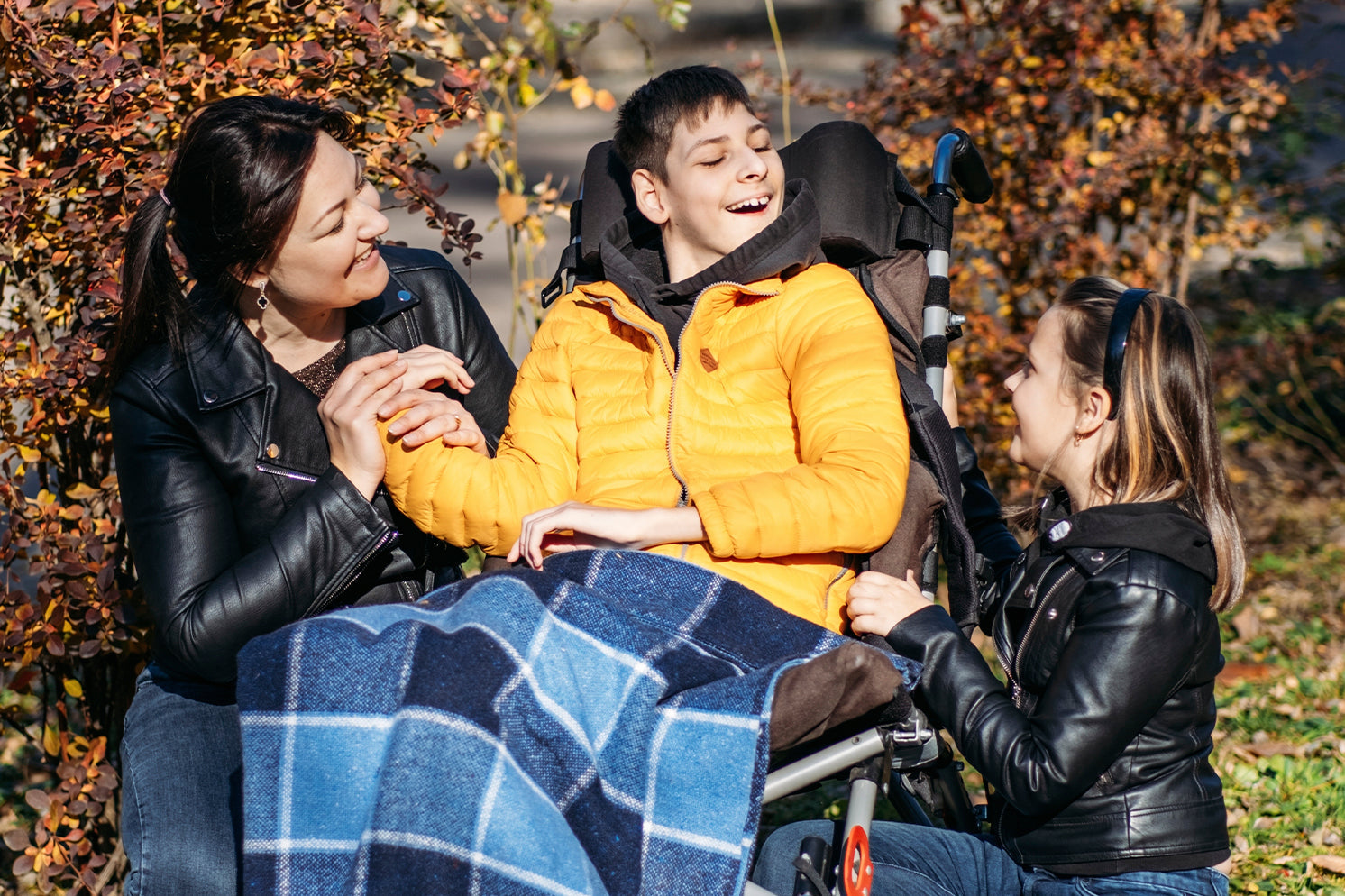
Creating a home where every child feels safe, comfortable, and included is a priority for parents. When a child has a disability, their home should be equipped with the right products to support their mobility, independence, and overall well-being. From adaptive strollers to specialized bathing products, the right equipment can make daily activities easier and more enjoyable.
In this guide, we’ll explore essential products that can help create an inclusive home environment for children with disabilities.
Why an Inclusive Home Matters
An inclusive home promotes independence and confidence in children with disabilities. With the right assistive devices and adaptive products, children can move freely, participate in daily routines, and engage more comfortably with their surroundings.sh
Essential Mobility Products for Children with Disabilities
1. Adaptive Strollers and Wheelchairs
Children with mobility challenges need strollers and wheelchairs that provide comfort, safety, and ease of use. Some options include:
-
Lightweight adaptive strollers for easy transportation.
-
Wheelchairs for children with limited upper body strength.
-
All-terrain strollers for outdoor adventures.
2. Walkers and Gait Trainers
For children who can walk with support, adaptive walkers and gait trainers offer stability and mobility assistance. These products help improve posture and encourage movement. Look for:
-
Posterior walkers that provide support from behind.
-
Gait trainers help strengthen muscles and improve walking abilities.
-
Forearm support crutches for children with limited hand strength.
3. Portable and Threshold Ramps
Mobility can be a challenge when navigating doorways, steps, or uneven surfaces. Ramps provide a smooth transition for wheelchairs, strollers, and walkers. Some types include:
-
Portable ramps that can be moved around as needed.
-
Threshold ramps for small doorways and entryways.
-
Folding ramps for easy storage and transport.
These ramps make accessing different areas of the home and outdoors safer and more convenient.
Bathroom Safety and Hygiene Products
3. Bathing Support Systems
Bath time can be challenging, but adaptive bathing products make it safer and more comfortable. Options include:
-
Bath chairs with reclining features to provide support.
-
Non-slip bath mats to prevent falls.
-
Handheld showerheads for easier bathing control.
4. Toilet Training Aids
Children with disabilities may need extra support when using the bathroom. Helpful products include:
-
Adaptive toilet seats with side supports.
-
Toilet safety frames for stability.
-
Commodes for easier accessibility.
Adaptive Seating and Positioning Aids
5. Special Needs Seating
Proper seating is essential for comfort, posture, and participation in daily activities. Consider:
-
Positioning chairs that support posture.
-
Adjustable high chairs for mealtime.
-
Floor sitters for playtime activities.
6. Supportive Cushions and Wedges
For children with limited mobility, positioning aids help prevent pressure sores and improve posture. Options include:
-
Headrest with mounting bracket for improved positioning.
-
Roll cushions for extra leg support.
-
Memory foam seat cushions for comfort.
Safety and Accessibility Aids
7. Bed Safety Products
Children with disabilities may require additional support while sleeping. Essential products include:
-
Bed rails to prevent falls.
-
Adjustable positioning pillows for comfort.
-
Weighted blankets to provide calming sensory input.
8. Sensory-Friendly Lighting and Sound Machines
Some children are sensitive to bright lights and loud noises. To create a soothing environment, consider:
-
Dimmable nightlights for a comfortable sleep setting.
-
White noise machines to reduce background noise.
-
Soft LED lamps to create a relaxing atmosphere.
Adaptive Feeding and Mealtime Products
9. Specialized Utensils and Dishes
Children with motor challenges may struggle with standard utensils. Adaptive dining products can help, such as:
-
Easy-grip spoons and forks for better control.
-
Non-slip plates and bowls to prevent spills.
-
Weighted utensils to reduce hand tremors.
10. Drinking Aids
Hydration is essential, and some children need adapted drinking solutions, like:
-
Spill-proof cups with straw attachments.
-
Two-handled cups for a better grip.
-
Tilted drinking cups for easier sipping.
Sensory and Therapeutic Products
11. Sensory Toys and Fidgets
Sensory play is crucial for children with disabilities, especially those with autism or sensory processing disorders. Great options include:
-
Chewy fidgets for oral stimulation.
-
Textured stress balls to improve focus.
-
Weighted lap pads for calming effects.
12. Therapy Swings and Compression Vests
Therapeutic products help children feel secure and engaged. Consider:
-
Hammock swings for sensory input.
-
Compression vests to provide calming pressure.
-
Balance boards to improve coordination.
Communication and Learning Aids
13. Augmentative and Alternative Communication (AAC) Devices
For children who are non-verbal or have speech difficulties, AAC devices provide a voice. These include:
-
Communication boards with symbols and words.
-
Speech-generating devices for interactive communication.
-
Touchscreen tablets with speech apps.
14. Adaptive Writing and Learning Tools
Children with fine motor challenges may struggle with writing. Helpful tools include:
-
Pencil grips to improve handwriting control.
-
Slant boards to position paper at an easier angle.
-
Voice-to-text software for written communication.
Testimonials from Families
"Our son loves his new adaptive stroller. It’s lightweight and easy to transport, making trips to the park stress-free!" – The Anderson Family
"The bath chair has completely changed our routine. Now my daughter enjoys bath time safely and comfortably." – The Martinez Family
"We introduced a weighted lap pad, and our child is calmer and more focused during homework time." – The Thompson Family
Conclusion
Creating an inclusive home environment for children with disabilities doesn’t require major renovations. The right products—whether mobility aids, sensory tools, or adaptive furniture—can significantly improve a child's quality of life. By investing in supportive, accessible solutions, we can ensure every child feels safe, comfortable, and empowered at home.
FAQs
-
What is the best adaptive stroller for children with mobility challenges? The best stroller depends on your child’s needs. Lightweight adaptive strollers are great for travel, while reclining strollers provide extra support.
-
How can I make bath time easier for my child with disabilities? Using bath chairs, handheld showerheads, and non-slip mats can make bathing safer and more comfortable.
-
What are some must-have feeding aids for children with special needs? Adaptive utensils, non-slip plates, and spill-proof cups help children eat independently with ease.
-
How can sensory toys benefit children with autism? Sensory toys, such as fidget spinners, weighted blankets, and therapy swings, help children regulate their emotions and focus.
-
Are there financial assistance programs for purchasing adaptive products? Yes, many organizations and insurance plans offer financial aid for mobility and adaptive equipment.


