Need Help? 979-426-3633
Need Help? 979-426-3633

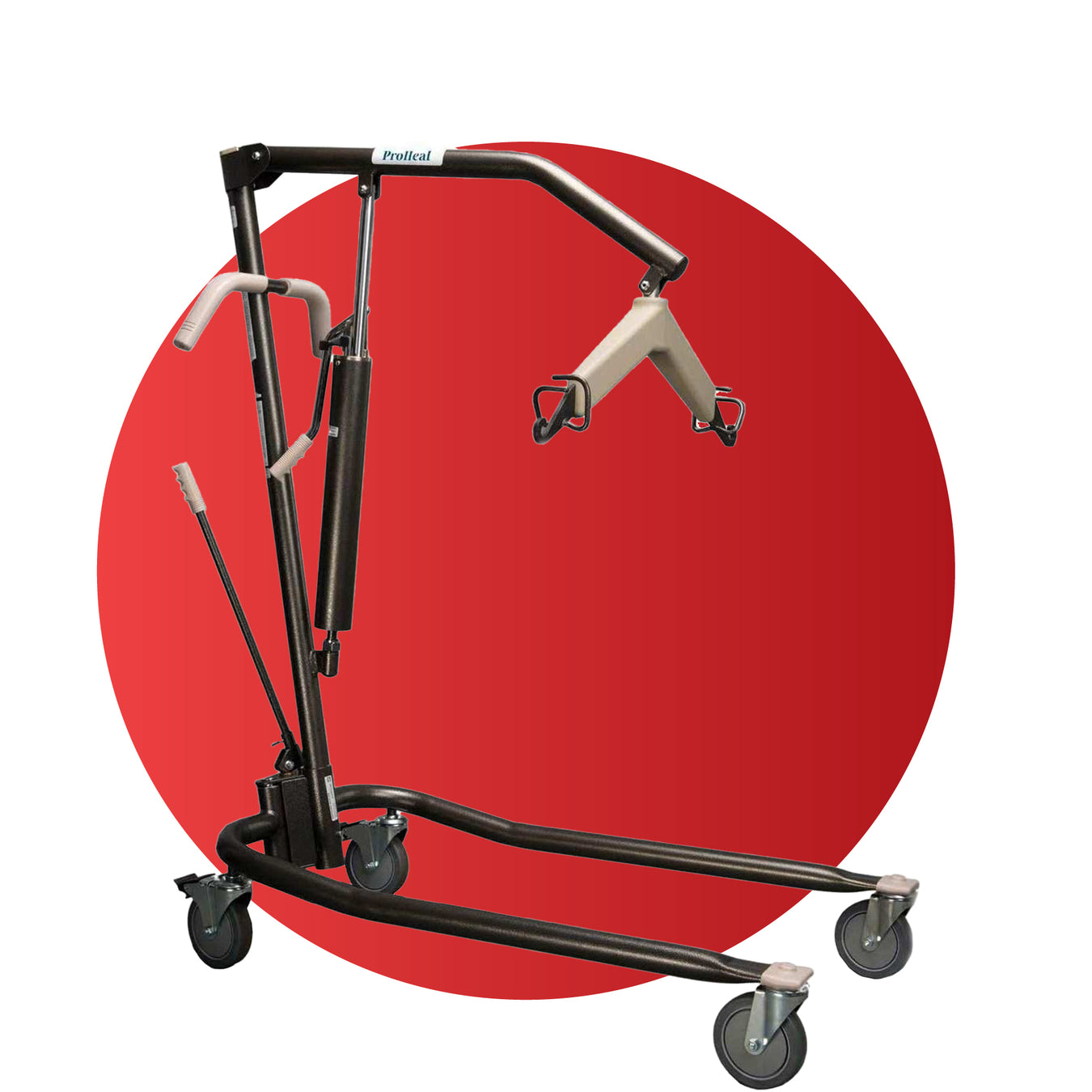
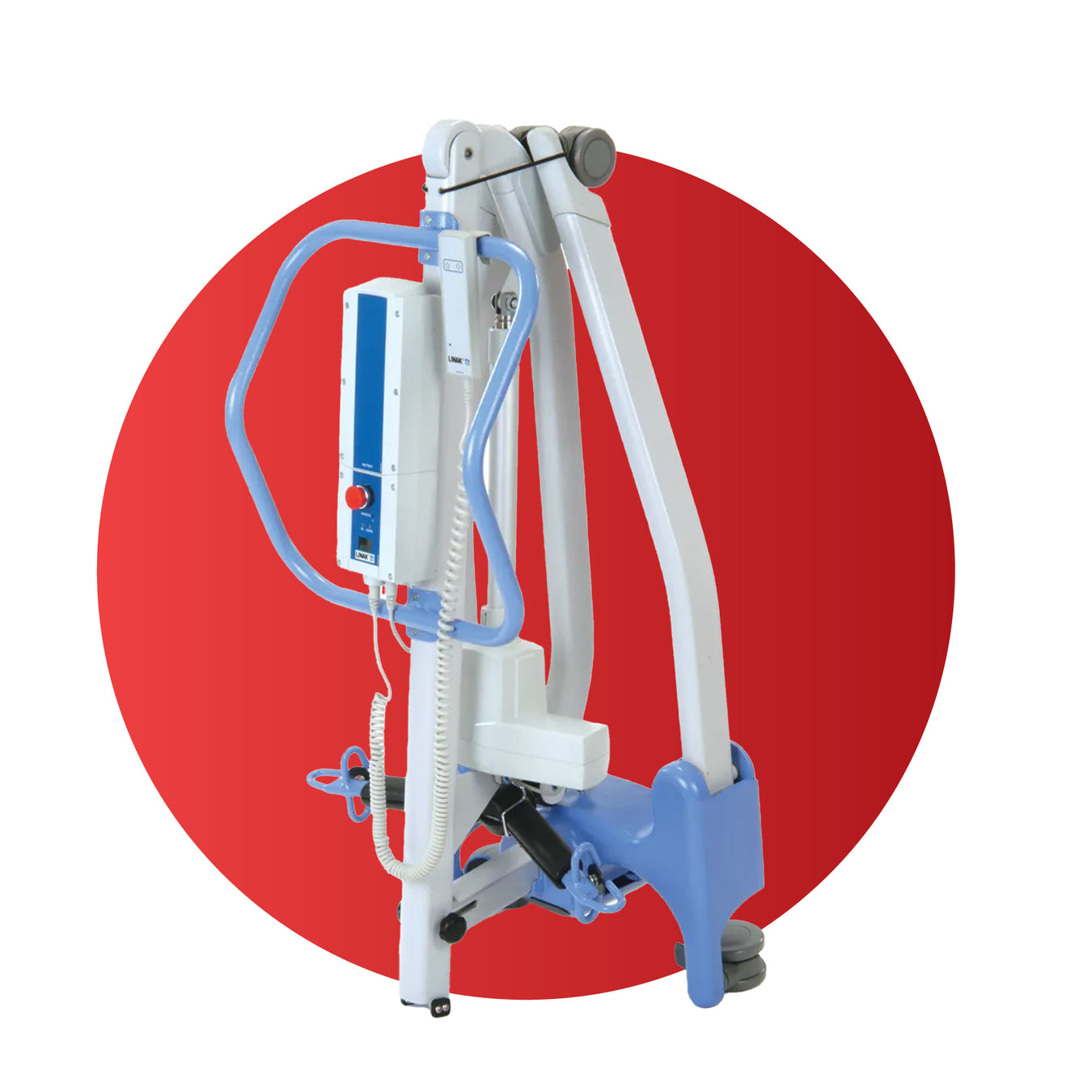
Key highlights Versatile Design - The ProHeal Hydraulic Lift is suitable for various settings, including homecare, hospitals, and nursing homes, ...
View Full Details
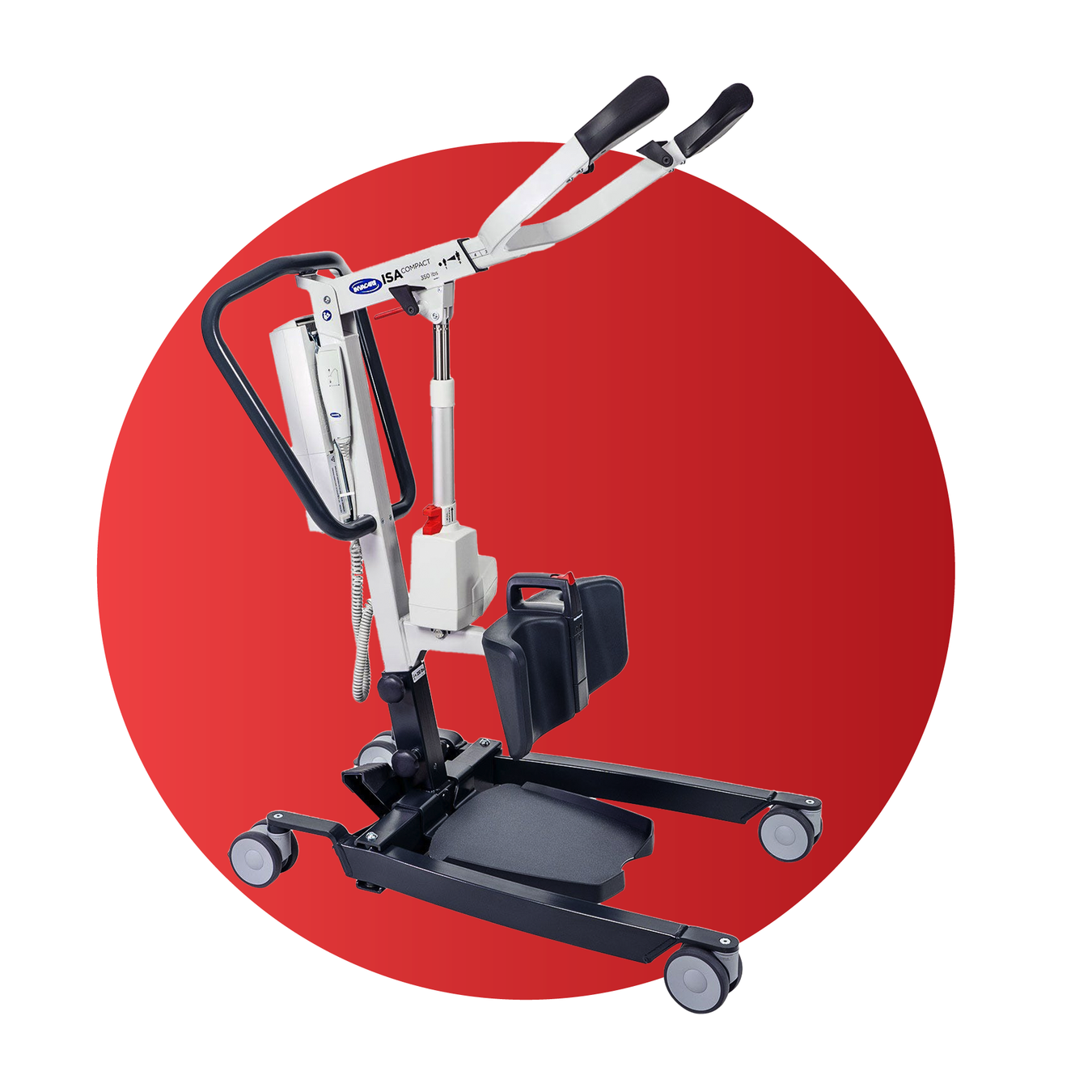
Key Highlights Versatile Dual-Operation Modes - The ProHeal Hydraulic Lift features both hydraulic and electric operation modes, allowing careg...
View Full Details
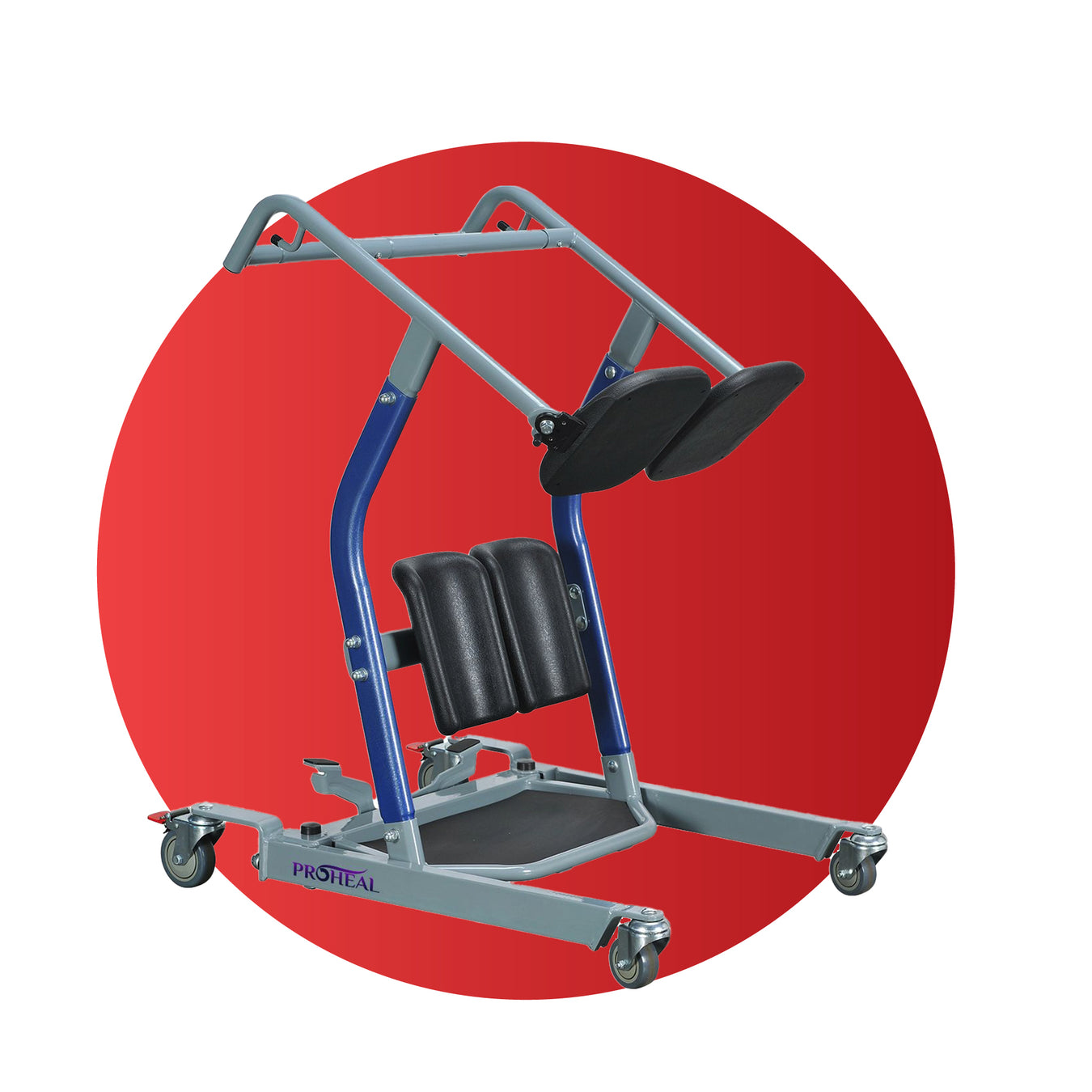
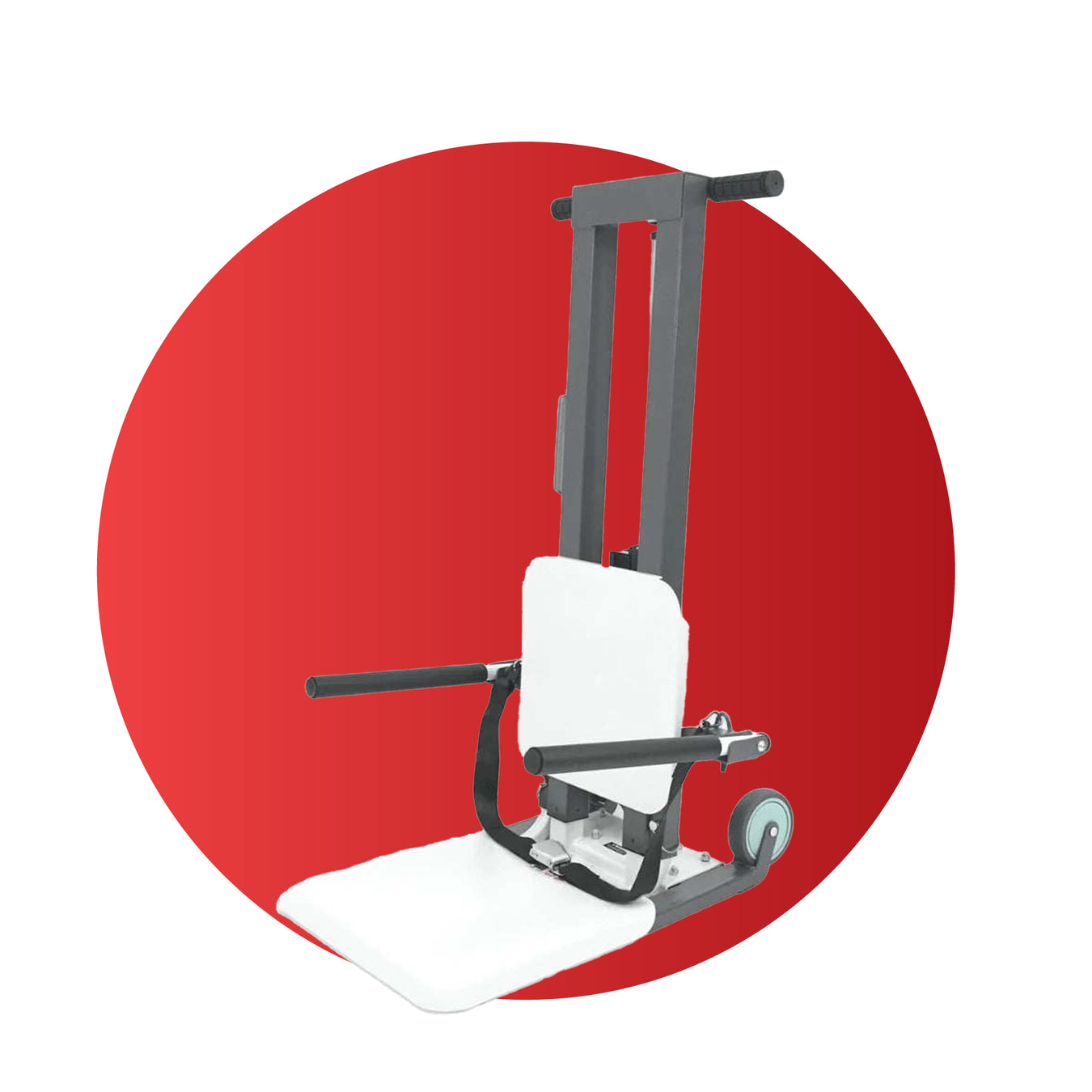
At a Glance: Supports up to 400 lbs for secure, stress-free transfers. Features dual-locking wheels and a pivoting seat for safety and comfort. Si...
View Full Details
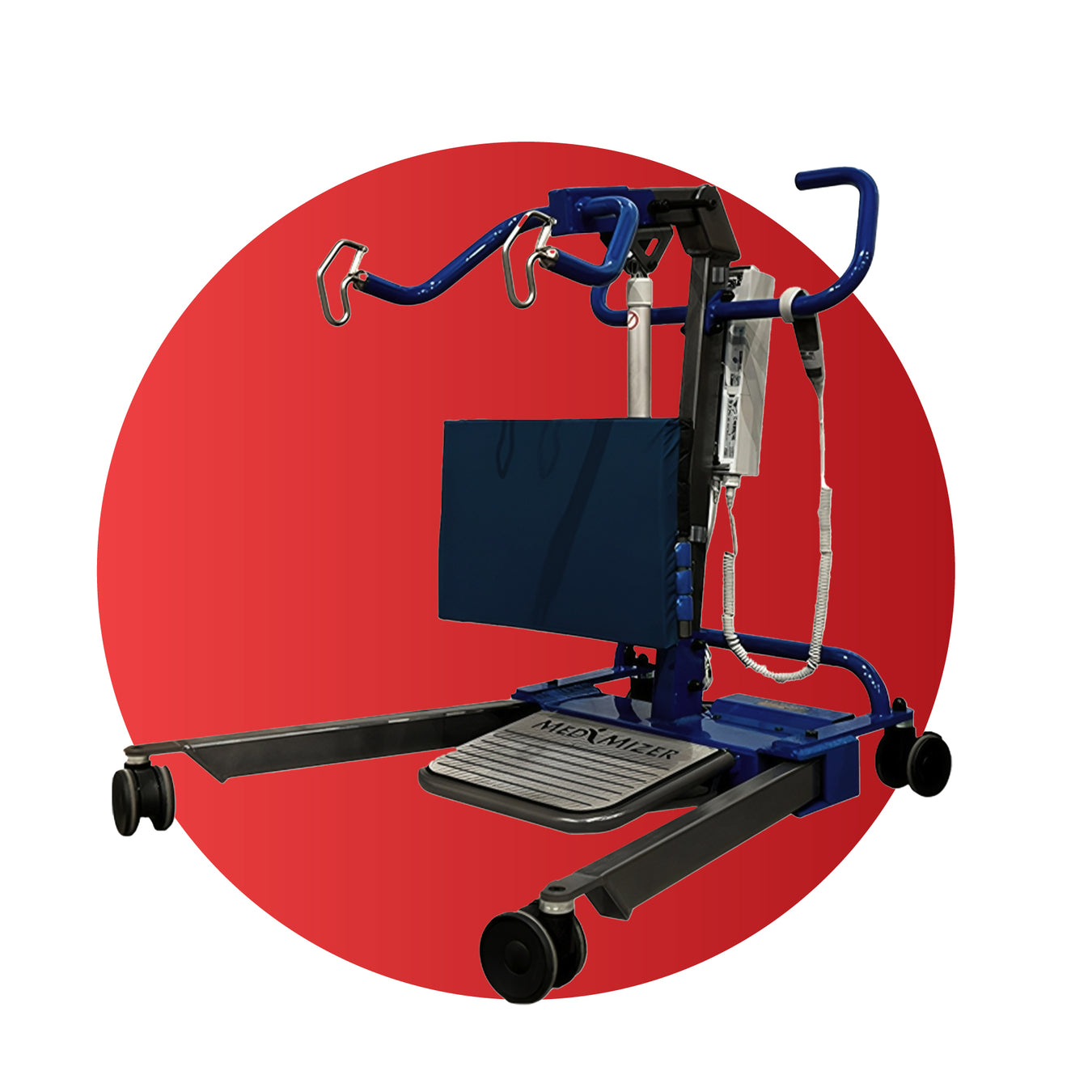
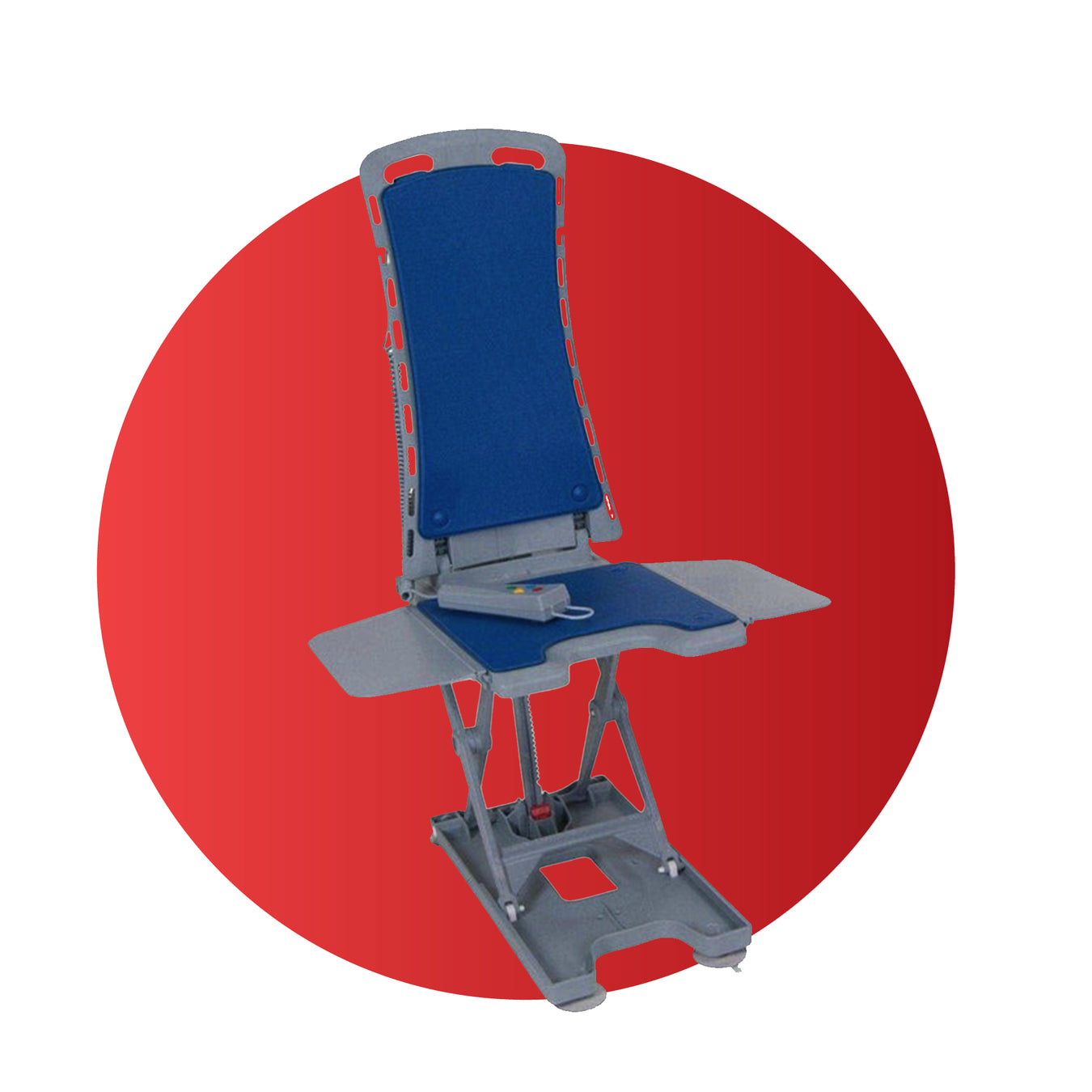
Key Specs 1.2"-20.8" - Lift Range 400Lbs - Weight Capacity 0.4in/Second - Lift Speed Lift Effortlessly, Live Freely Elevate Your Ind...
View Full DetailsWhen a patient is unable to move, lift or transfer themselves, it can be difficult and potentially harmful to move them without assistance. In situations like these, patient lifts come in handy. A patient lift is a medical device that is designed to safely transfer patients who are unable to move themselves from one place to another. They are typically used in hospitals, nursing homes, and at home.
In this article, we will explore the different types of patient lifts, how they work, their benefits, and much more.
Patient lifts are assistive devices that are used to help patients who are unable to move themselves due to a physical disability or injury. They are designed to safely lift and transfer patients from one place to another, such as from a bed to a wheelchair or a bathtub. They are also used to help caregivers avoid injuries caused by manual lifting.
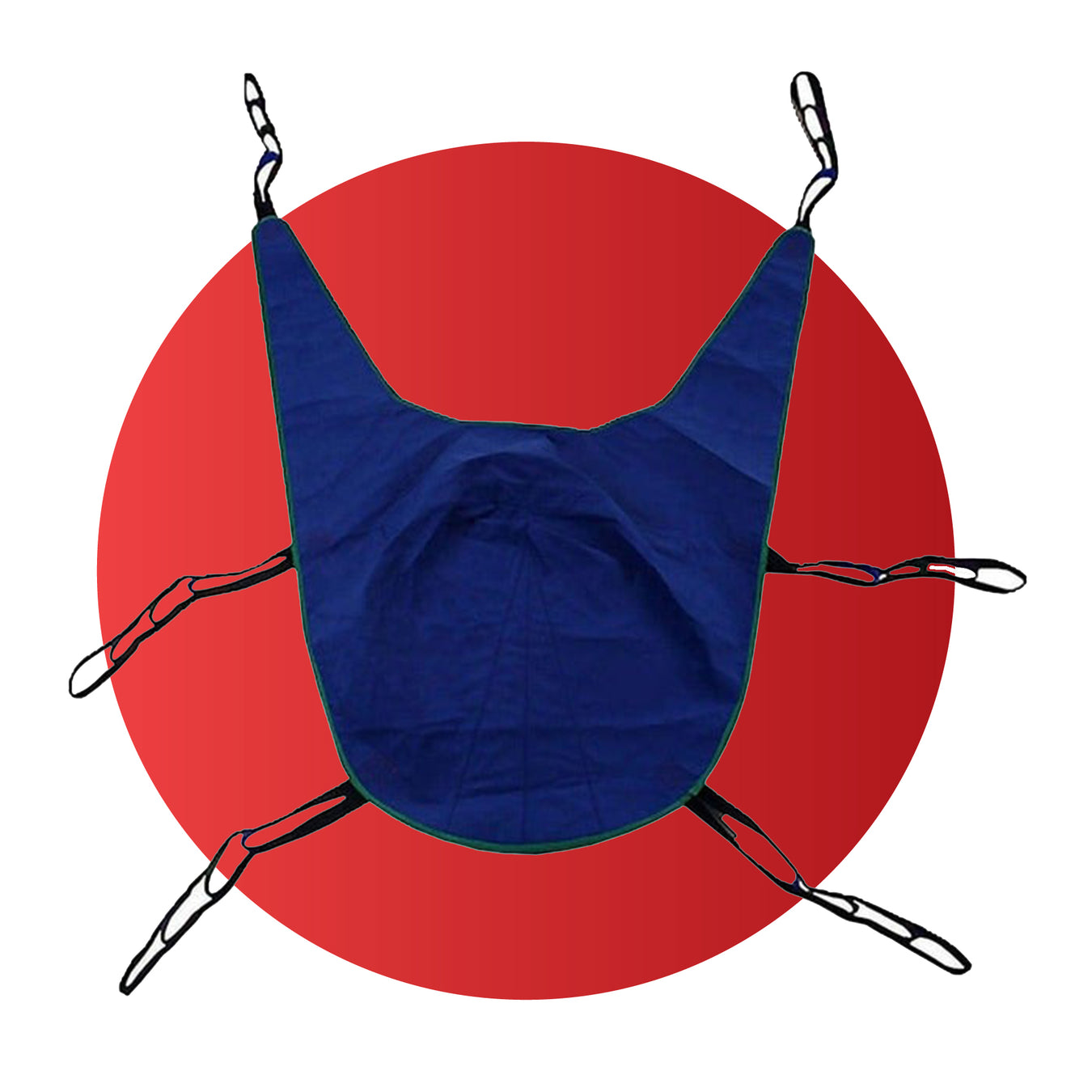
Patient lifts are made up of a few key components, including a lift motor, a sling, and a frame. The lift motor powers the device, while the sling is used to hold and support the patient. The frame is the structural component that supports the patient and the lift motor.
There are several different types of patient lifts available, each with its own unique features and benefits. Some of the most common types of patient lifts include:
Manual patient lifts are the most basic type of patient lift available. They are operated by a caregiver who manually cranks a lever or pump to lift and transfer the patient. These lifts are typically less expensive than powered lifts, but they require more physical effort to operate.
Power patient lifts are electrically operated and require little physical effort from the caregiver. They are typically more expensive than manual patient lifts but are easier to use and require less training.
Stand-assist patient lifts are designed to help patients who have some mobility but require assistance standing up. These lifts typically have a smaller frame and are designed to lift the patient to a standing position before transferring them.
Ceiling Lifts
Ceiling lifts are a type of patient lift that is mounted to the ceiling. They are typically used in hospitals and nursing homes and are designed to transfer patients from a bed to a wheelchair or other location. Ceiling lifts are typically more expensive than other types of patient lifts, but they offer several benefits, including a larger weight capacity and more floor space.
Patient lifts offer several benefits for both patients and caregivers. Some of the most notable benefits of using patient lifts include:
Improved Patient Safety
Patient lifts are designed to safely lift and transfer patients, reducing the risk of injury for both the patient and the caregiver.
Reduced Risk of Injury for Caregivers
Manual lifting can be dangerous for caregivers, leading to musculoskeletal injuries and other health problems. Patient lifts eliminate the need for manual lifting, reducing the risk of injury for caregivers.
Increased Patient Comfort
Patient lifts are designed to gently and comfortably lift and transfer patients, reducing discomfort and pain during the transfer process.
Improved Patient Mobility
Patient lifts make it easier for patients to move around and transfer from one location to another, increasing their mobility and independence.
Choosing the right patient lift can be challenging, especially with so many different types and models available. Here are a few factors to consider when selecting a patient lift:
Weight Capacity
It is important to choose a patient lift with a weight capacity that is suitable for the patient. Be sure to factor in the weight of any accessories, such as the sling or harness, as well.
Type of Lift
Consider the patient's mobility and needs when selecting a type of patient lift. If the patient is unable to stand, a stand-assist lift may not be appropriate. Similarly, if the patient requires frequent transfers, a ceiling lift may be a better option.
Size and Portability
Patient lifts come in different sizes and can be either stationary or portable. Consider the space available and the frequency of use when selecting the size and portability of the patient lift.
Safety Features
Look for patient lifts with safety features, such as locking mechanisms and emergency stop buttons. These features can help prevent accidents and injuries.
Cost
Patient lifts can vary significantly in cost. Consider the budget when selecting a patient lift.
Using a patient lift requires proper training and knowledge of the device. Here are some general steps for using a patient lift:
Assess the Patient
Before using a patient lift, assess the patient's mobility and needs. Make sure the patient is comfortable and positioned correctly for the transfer.
Prepare the Lift
Ensure the lift is properly assembled and the sling or harness is securely attached to the lift.
Position the Lift
Position the lift near the patient and ensure it is stable and secure.
Transfer the Patient
Gently and slowly lift the patient using the lift's controls. Make sure the patient is stable and comfortable during the transfer.
Lower the Patient
Once the patient is in the new location, gently lower them using the lift's controls. Make sure the patient is comfortable and properly positioned.
Proper maintenance and safety measures are crucial when using patient lifts. Here are some tips for maintaining and using patient lifts safely:
Follow Manufacturer's Instructions
Always follow the manufacturer's instructions for assembly, use, and maintenance of the patient lift.
Inspect the Lift Regularly
Inspect the patient lift regularly for signs of wear and tear, damage, or malfunctions. Address any issues promptly to ensure the safety of the patient and caregiver.
Train Caregivers Properly
Ensure caregivers are properly trained on the use of the patient lift before using it with a patient.
Use Safety Features
Always use the safety features of the patient lift, such as locking mechanisms and emergency stop buttons.
Check the Sling/Harness
Inspect the sling or harness regularly for wear and tear, and replace it as needed.